Excellent
3,500+ reviews

Not sure which knife is right for you? Answer a few quick questions.
Find the right knife
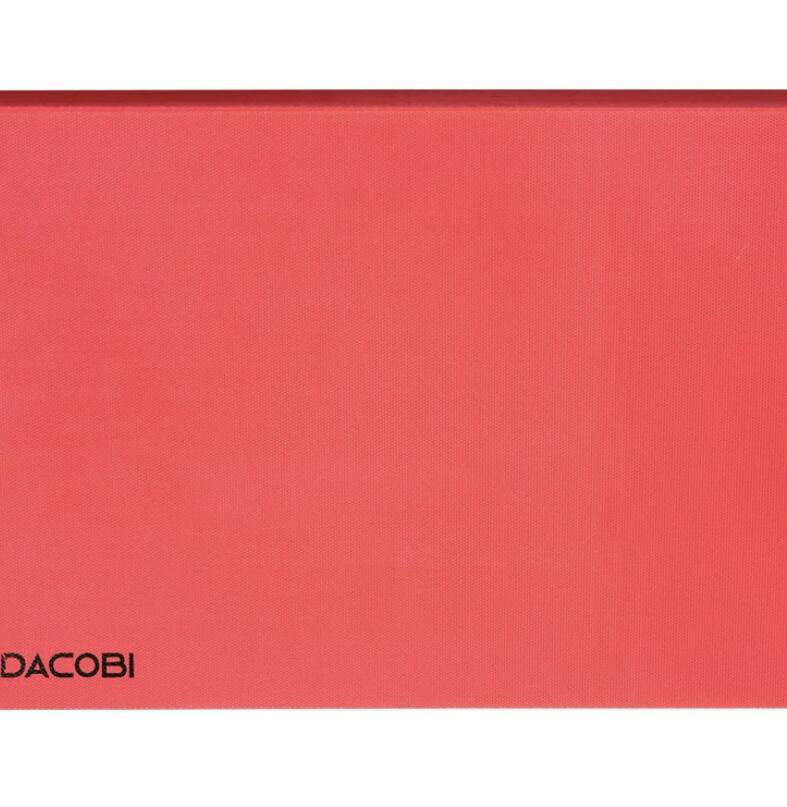
Bord tal-Qtugħ Professjonali T3

Currently out of stock
Leave your email and we'll let you know the moment it's back.
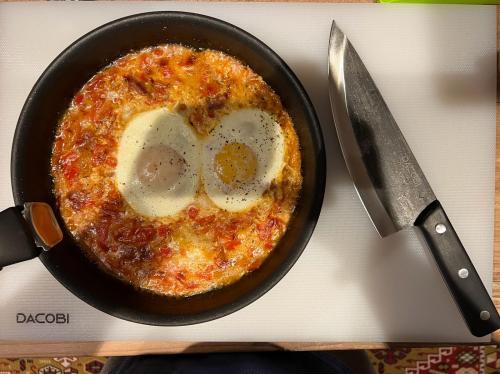
Imla l-kċina tiegħek b'dan il-chopper solidu ddisinjat biex idum maż-żmien, ideali għal-laħam, ħaxix, frott, kemm fid-dar kif ukoll fil-kċejjen professjonali. Il-chopper huwa magħmul b'tali mod li jiflaħ iż-żmien u l-użu fit-tul.

Karatteristiċi:
Materjal: polietilene sikur għall-ikel
Manutenzjoni:
- faċli biex tinżamm
-jista 'jinħasel fil-magna tal-ħasil tal-platti jew taħt il-vit f'temperaturi għoljin ħafna jew baxxi ħafna b'deterġent tal-platti
Dimensjonijiet:
Tul: 47 ċm
Wisa ': 32cm
Ħxuna: 2cm
Piż: 2.7kg
Il-pakkett jinkludi: 1 x Bord tal-Qtugħ Professjonali T3
Calitate foarte bună !!!!
Remek darab! Vadászként és nagyszerű használd fogom venni igazán formás remek pengével nagyon éles. Professzionális kiszállítás és csomagolás használati útmutató. Gratulálok!
Super! Este un produs ce iti schimba modul in care iti organizezi bucataria!
Multumim Dacobi
Mulțumit.
Impecabile
Produsul a sosit la timp si este conform descrierii de oe pagina de internet a firmei.
οπως το περιεγραφες
Eccellente!
Fiind bucătar (marinar), vă pot spune este foarte bun, mai ales ca și grosime pt că poate fi utilizat și pt tăialtul oaselor. Cu respect pt produsele dv.

 Other brands

 Hand-sharpened for top performance.
 Assembly-line sharpened — they go dull fast.
Resistant to dulling, rust and chipping.
Dull, rust and chip easily.
 Premium, high-performance materials.
Cheap, mass-produced materials.
 Unique, striking design — stunning in the kitchen.
Bland design, easily forgotten.
10-year warranty, no worries or stress.
Limited warranty of up to 2 years.
 We're here before and after your purchase.
They barely answer your questions, if at all.
 An investment that lasts a lifetime and saves you money.
They seem cheap upfront, but cost more in the long run.
The 10-year warranty covers any defect arising from correct use of DACOBI knives or any manufacturing defects. All other products carry a 2-year warranty.
Depending on the steel used, DACOBI knives need different care. You'll find all the information you need to maintain your knife properly on each product page and inside your order.
High-carbon steel blades can develop a patina if not cared for properly. A patina is a natural protective layer on carbon steel that shields the blade from further oxidation and gives it a hardened finish. It forms as the surface oxidises, and the process speeds up when the knife meets various acids. You can recognise a patina by its characteristic colours: first golden yellow, then deep blue, then violet, and finally grey that darkens over time. If you notice red rust spots, remove them.
We're always available to help you choose the right knife — just email us and we'll find the one you need!
It's simple — if the 30-day window hasn't passed since you received your order, you can review the return procedure here: Returns information
Wash it by hand with warm water and a little detergent, not in the dishwasher, because hot water and fast drying can crack the wood. With daily use, oil it once a month with food-safe mineral oil, and every 2 to 3 months if the board is used occasionally. The clear sign that it needs oil: the surface looks dry.
Yes. The difference is not in hygiene, it is in how much care the board needs. Wash a wooden board with a sponge and dish soap right after use. What ruins it is standing water, so do not leave it soaking in the sink and do not put it in the dishwasher. With plastic boards you do not have that worry: they take the dishwasher without any trouble.